
Jump in forest nursery Plant Pass participation
Forest nurseries are taking a new look at the Plant Pass scheme after the launch of Plant Pass Checklist Version 2.0 and the sector auditor model. New Zealand Forest Owners Association - a Plant Pass scheme GIA signatory - says the forestry industry has been impressed by the results of a pilot audit – with three new forest nurseries now participating in the scheme.
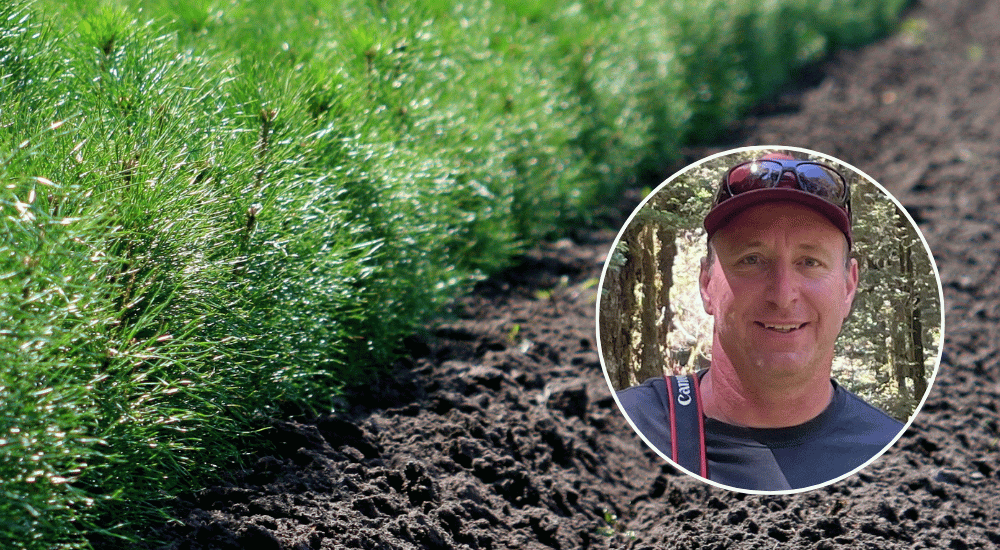
“Having the baseline
lifted means everyone is protected.”
Brendan Gould is Director of Biosecurity and Risk at New Zealand Forest Owners Association
Forestry has had a proactive role in managing biosecurity risks, including surveillance, for more than half a century. However, as biosecurity threats increase globally and forestry sectors overseas experience the impacts of a growing range of pests and diseases, forest owners are increasingly focused on strengthening the sector’s own risk management, says Brendan Gould, NZFOA Director of Biosecurity and Risk.
Given forests are a long-term investment, with trees often in the ground for decades, there is growing recognition that stronger risk management measures are needed across the forestry value chain, including pathways such as nurseries, rather than relying predominantly on border prevention measures alone.
Biosecurity is probably forestry’s highest priority threat, Brendan says. “Trees are in the ground for a long time. It’s a long-term investment and basically in New Zealand you now have a $40-$50 billion biological asset that’s sitting there waiting for something to come and eat it. So those investors are exposed for a long time.”
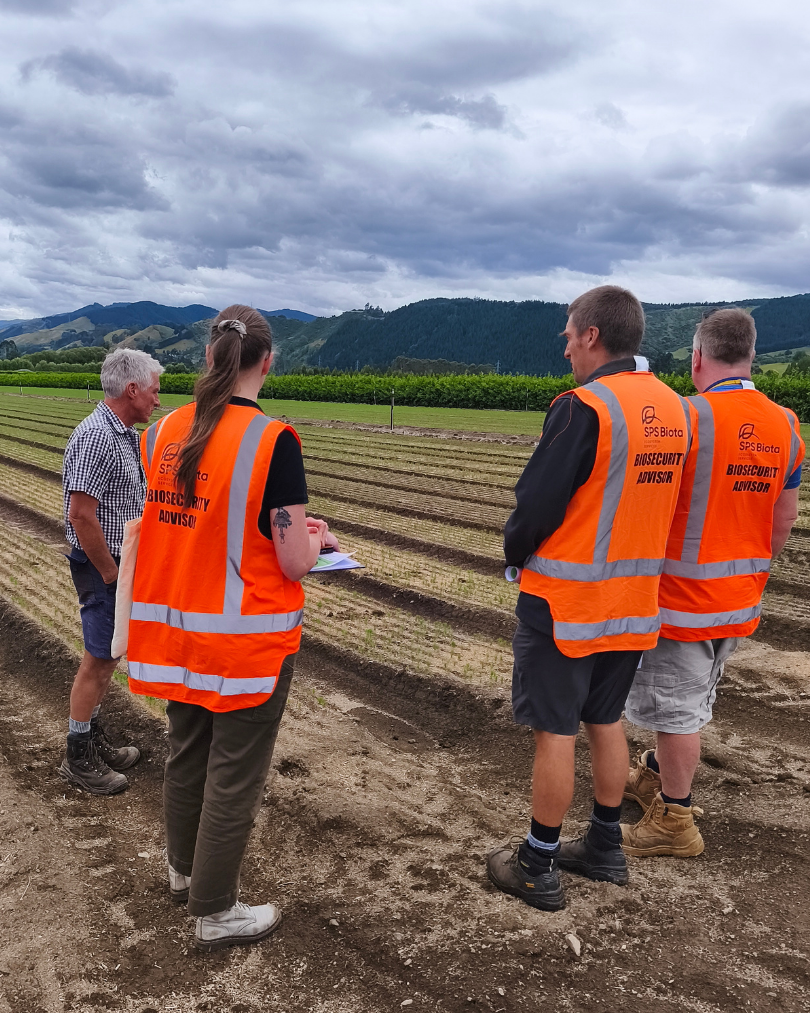
New Sector Auditor Model a success
Pictured is Plant Pass Certified Producer Appletons Forestry Nursery during an auditor calibration with SPS Biota under the Plant Pass Version 2.0 sector auditor model.
The likelihood of new pathogens like pine pitch canker or brown spot needle blight reaching New Zealand is relatively low, thanks to our stringent approach to biosecurity, and the current pine species import bans. But the potential impact if and when a pest or pathogen does arrive is huge.
In parts of Spain, evolving pests and pathogens have left radiata pine-based forestry unviable, and all of the alternative options are also at risk. This existential threat observed in Europe triggered a current review of New Zealand’s forest biosecurity approach – Project Forest Shield.
With current practices, a newly established pathogen could potentially be spread around the country within days, before we even know that it’s here. Plus, some existing pests and pathogens in New Zealand are becoming more prevalent and increasingly difficult and costly to manage, such as terminal crook, dothistroma needle blight and red needle cast.
Packaging is a major risk, Brendan says. “Often boxes get taken out, they get walked around the entire forest as trees are planted, then they are sent back to the nursery. Generally, there’s little to no cleaning or hygiene that happens. There are thousands of them and there would be a huge cost in cleaning those.”
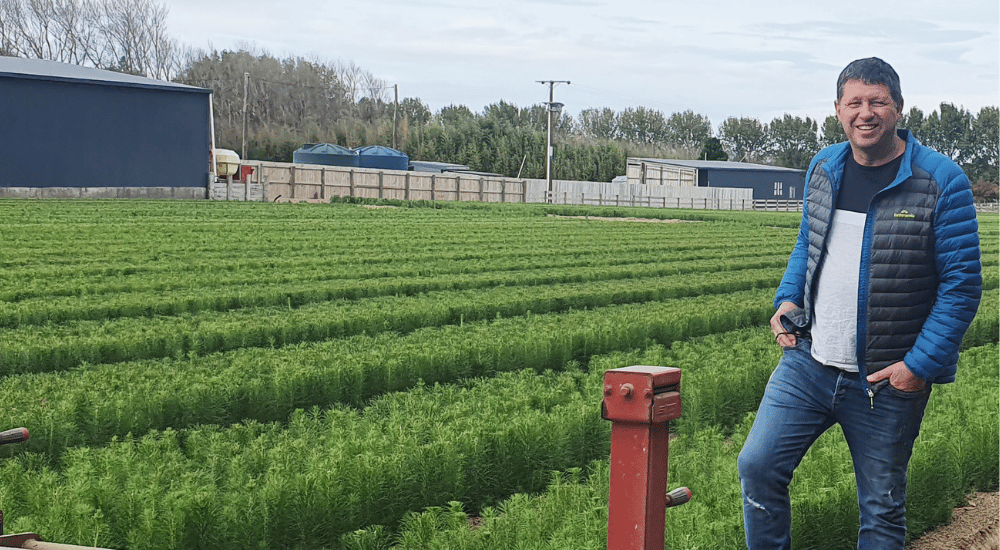
Murray’s Nurseries is a Plant Pass Certified Producer
Read our case study on Murray’s Nurseries and how the new Sector Auditor Model convinced owner Patrick Murray to become a Plant Pass Certified Producer.
Over the last decade the conversation with owners and their nursery suppliers began focusing on how plant health at the nursery and plant movements can be better managed, Brendan says.
The Plant Pass scheme was seen as an opportunity to introduce a common system approach among forest nurseries and provide greater assurance that risks are being managed.
However, until recently forest nurseries had concerns about the scheme, with many seeing it as too prescriptive, unsuited to forestry, paperwork focused and not required by clients. Another big issue from day one, nurseries did not want auditors with no experience in forestry showing up.
Despite many nurseries having a proactive approach with strong risk management practices, they were left unsure about how the Plant Pass Checklist would be interpreted at their business. The launch of Plant Pass Checklist Version 2.0 and the new sector auditor model has been an opportunity to reset.
Late last year the NZFOA organised funding for a pilot audit to trial the new Checklist, with three leading nurseries participating.
The pilot audits were intended to walk those nurseries through the process and expose them to what Plant Pass actually expected as opposed to what they thought it might be.
“For the audits, we engaged SPS Biota, who deliver our forest health surveillance for us,” Brendan says. “They’re probably the biggest and most experienced forest health service provider that we work in partnership with.”
The results were impressive, with two nurseries passing with flying colours and one requiring only minor changes for compliance. Brendan says the audit demonstrated that Plant Pass is applicable to forestry, although some work remains to fine tune it to the industry.
“Version 2.0 reinterpreted the standard as something that actually was more outcome focused as opposed to prescriptive.”

Plant Pass Version 2.0
In 2026, wee updated Plant Pass Version 2.0 Checklist and launched the new Sector Auditor Model. Learn more…
Getting more forest nurseries on board, and forest owners (as buyers inheriting all the risk) to expect greater biosecurity assurance is the next focus to lift performance across the sector, he says. At the same time, the forest growing sector firmly backs Plant Pass for all nurseries.
“The biggest risk to forest nurseries is not from other forest nurseries. It's from other plants that are imported, because most of the pathogens that we don't want are probably only going to get here on those plants. Having the baseline lifted means everyone is protected.”